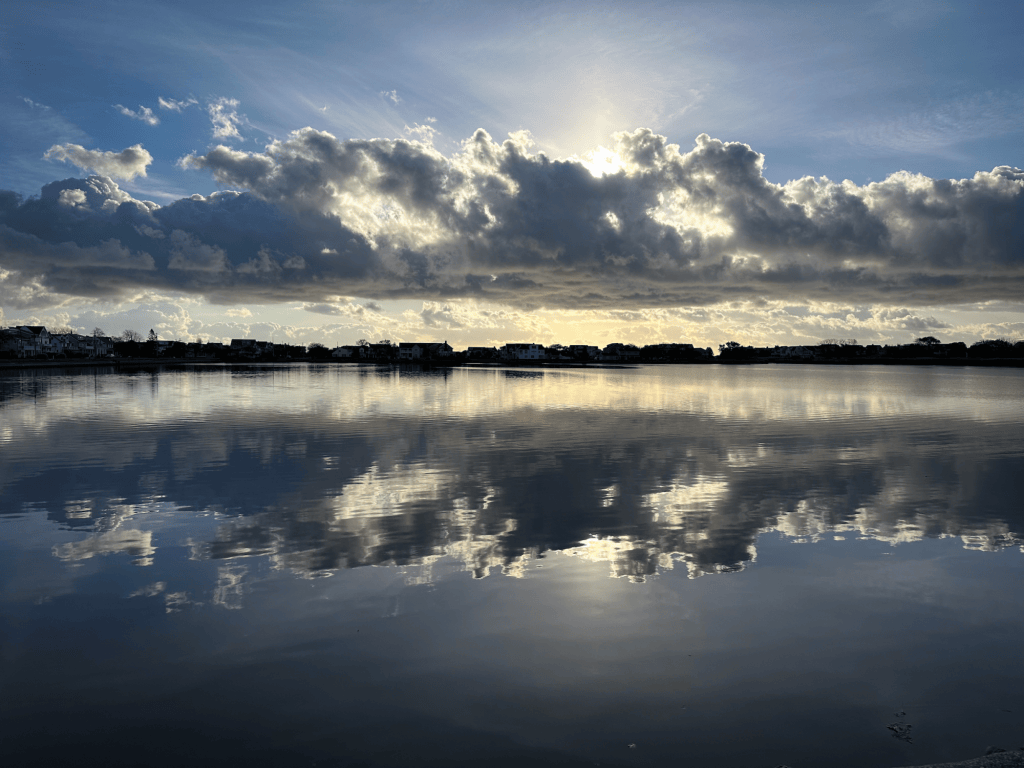
The climate system is a naturally occurring fabric of energy exchange that covers our entire planet, includes the atmosphere and ocean, shapes what weather happens where, and makes our planet habitable. The stable climate that has given rise to human civilization is based on a delicate balance between atmospheric compounds and the flow of heat, wind, water, and pressure, around the planet.
It is a physical reality—not a concept, not a belief.
This is the single most important fact of the political debate around climate science and solutions, right now. The climate is a physical reality; sweeping physical disruptions in the climate system impact every area of human experience, even if we are not all expert enough in the details of planetary physics to immediately see the connections.
This is why the United States, as a self-governing society, set up science-focused agencies, to make sure we would invest in the study and discovery needed to see such connections, and to avoid major threats. When politicians argue that we can just ignore the worsening disruption of the climate system, driven by industrial pollutants and by destruction of carbon-absorbing ecosystems, they are telling a dangerous lie. The cost could be everything their audience cares about.
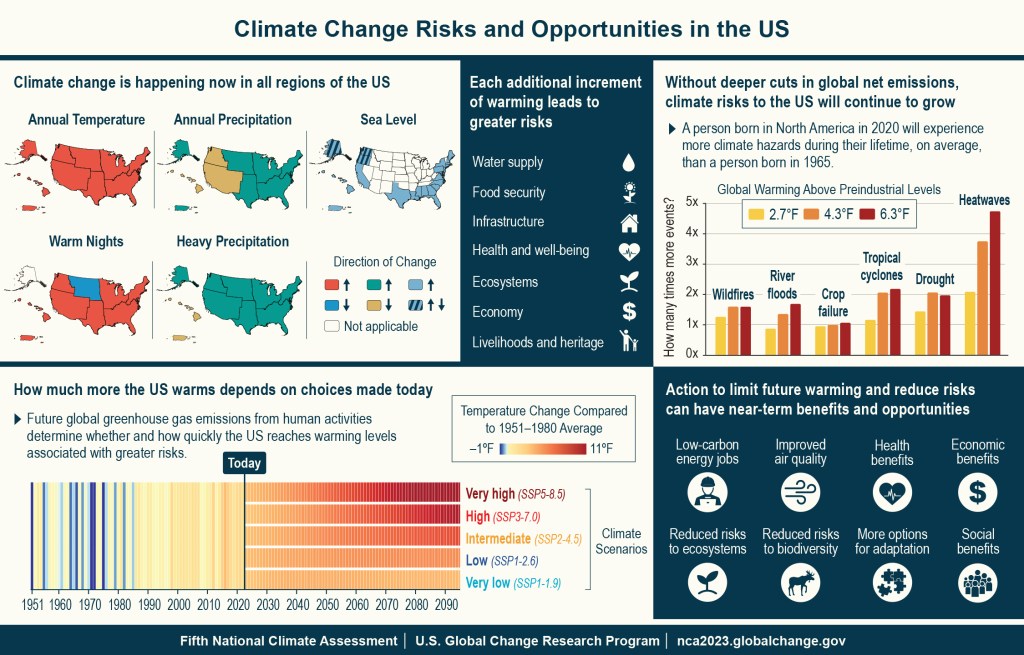
Every increment of new pollution and new ecosystem destruction, every bit of excess heat-trapping pollution emitted into the atmosphere and ocean, further destabilizes a vital balance in planetary systems, on which all life, and all economic activity, depends.
- The projected cost of failing to prevent dangerous climate change is between $178 trillion and $700 trillion, from here to the year 2070.
- U.S. financial regulators under both Trump and Biden have found unchecked climate disruption will collapse the financial system.
- A specific effect of reducing the breadth, depth, precision, and persistence of government-funded climate science in the United States will be less precise information about cost and risk.
- This will lead to investments that incur unexpected, but preventable losses, which will in turn add further risk and cost, from liability for harm caused and overpriced or unavailable insurance coverage.

The Treasury Department has found that climate change will impose potentially devastating impacts on household finances. The report found costs are diverse, far-reaching, and can be long-lasting, warning:
…households could face significant financial strain from lost employment income due to job loss, reduced working hours, or from interruptions in access to income supports or other public benefits
Specific examples of major financial stresses included:
- Wages: “for outdoor workers, future heat conditions could place approximately $55 billion, or about $1,700 per worker, of annual earnings at risk due to reduced working hours.”
- Disasters: “in 2021, climate hazards affected one in ten homes in the United States and resulted in a total of approximately $56.92 billion in property damage among impacted households.”
- Housing: “…approximately 40 percent of rental units in the United States are located in areas at risk of substantial annual economic losses from climate hazards, which could lead to reduced rental stock and lower housing affordability.”
- Food: “…climate hazards such as droughts, floods, and extreme temperatures can reduce crop yields, creating shortages and higher food prices.”
Across the world, the right to a livable future, a future in which preventable harm is actively reduced, is gaining ground. The Ninth Amendment to the US Constitution states that rights need not be enumerated to enjoy full protection. Though under-appreciated, this Constitutional provision has helped to revolutionize law and governance around the world.
Article 27.1 of the Universal Declaration of Human Rights reads, in part:
Everyone has the right freely … to share in scientific advancement and its benefits.
There is a universally recognized right to benefit from the best available science. This is a principle the American system of government brought to the world, and no action by a President acting unilaterally can change the fact that the U.S. Constitution protects this right, the right to be free from discriminatory action that favors polluters, and the right to redress.
Disabling climate science operations materially weakens the United States—both in terms of the capacity to detect and respond to physical threats and in terms of wielding influence as a nation advancing human liberty and wellbeing. It makes the world less safe for American interests, and ensures trillions of dollars that could be invested in better business, innovation, and infrastructure will be spent responding to costly crises at home and abroad.
All American institutions, communities, and individuals, have a stake in the advancement of non-political uninterrupted climate science. And that stake is defended by laws that protect the rights not to be subjected to harm and to pursue redress when harm occurs. The Courts should act immediately to order the restoration of appropriated funds and legally mandated scientific inquiry and reporting.